
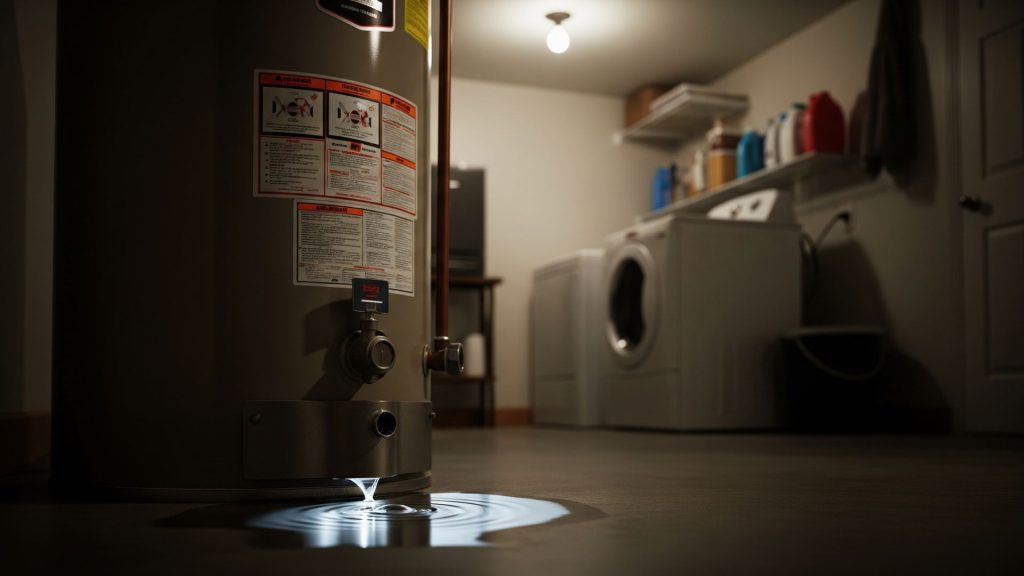
Water heaters often show early signs of failure before breaking down completely. Key indicators include inconsistent water temperatures, unusual rumbling noises from sediment buildup, and visible leaks around the unit. Recognizing these symptoms allows homeowners to address issues early and prevent significant property damage or emergency system failures.
Discolored or foul-smelling water often signals internal tank corrosion or bacterial growth. Additionally, system age is a critical factor, as most units last between eight and twelve years. Monitoring these factors helps homeowners determine whether repairs or a full replacement is the most cost-effective long-term solution.
Is Your Water Heater Failing? Watch for These 5 Signs
Your water heater is one of the unsung heroes of your home, working tirelessly behind the scenes to provide the hot water you rely on for everything from a relaxing shower to clean dishes. Because it operates out of sight, it’s easy to forget about it until a problem arises. Suddenly, you’re faced with an icy shower or, worse, a puddle of water spreading across your utility room floor.
At Ponderosa, we believe that proactive awareness is the key to preventing major headaches and costly emergencies. Understanding the early warning signs of a failing water heater can save you time, money, and significant stress. Many homeowners in Southwest Denver and across the Front Range wait until there’s a complete breakdown before calling for help. However, your water heater often gives you subtle clues that it’s in distress long before it quits entirely.
Recognizing these signals allows you to schedule a professional inspection and repair on your terms, rather than in a panic. We’ve compiled this guide to help you identify the five most common signs that your water heater needs professional attention. If you notice any of these issues, it’s time to consider calling for expert water heater service in the Front Range to diagnose the problem accurately.
1. No Hot Water or Inconsistent Temperatures
This is often the most obvious and frustrating sign that something is wrong. You turn the knob expecting a stream of hot water, but all you get is lukewarm or completely cold water. While the lack of hot water is a clear indicator of a problem, the cause can vary depending on the type of water heater you have and the specific nature of the failure. Don’t let the problem of no hot water disrupt your daily life; a professional diagnosis is crucial.
Common Causes for No Hot Water
Gas Water Heaters
- Problem: The pilot light may be extinguished.
- DIY Solution: You can sometimes relight it by following the manufacturer’s instructions.
When to Call a Pro: If the pilot light repeatedly goes out, it likely indicates a problem with the thermocouple or gas valve that needs professional service.
Electric Water Heaters
Problem: Issues often stem from electrical components.
- First Check: Look for a tripped circuit breaker.
- Potential Deeper Issues: If resetting the breaker doesn’t work, the problem could be a faulty thermostat or a burned-out heating element.
- Symptom: Since there are two heating elements, one failing may result in a reduced supply of hot water (e.g., running out faster) rather than a total outage.
- Recommendation: It’s dangerous to handle these electrical repairs yourself; we always recommend calling a certified technician.
Why Professional Diagnosis Matters
Guessing the cause of your hot water issue can lead to wasted time and money on incorrect parts. Our experienced technicians have the tools and expertise to quickly and accurately identify the root cause. Whether it’s a faulty dip tube causing cold water to mix improperly with hot water, a malfunctioning thermostat, or a failing heating element, we can pinpoint the exact problem.
This ensures that the repair is done right the first time, restoring your hot water supply efficiently and safely. A prompt call for water heater repair in Denver can often prevent a small issue from escalating into a complete system failure that requires a full replacement.
2. A Water Heater Making Noise Is a Cry for Help
Your water heater should operate relatively quietly. While you might hear the gentle hum of the burner or heating elements, loud or unusual noises are a definite red flag. If your water heater is making noise, such as popping, rumbling, crackling, or banging sounds, it’s almost always a sign of sediment buildup inside the tank. This is a common issue in areas with hard water, like many communities along the Front Range. These sounds are more than just an annoyance; they are an indication of a serious problem that is reducing your unit’s efficiency and lifespan.
What Causes the Noise?
Over the years, minerals like calcium and magnesium naturally present in the water supply settle at the bottom of your water heater tank, forming a thick layer of sediment. When the burner or heating element at the bottom of the tank cycles on, it has to heat the water through this layer of mineral deposits. The popping and rumbling noises you hear are the sounds of water becoming trapped underneath the sediment, boiling, and forcing its way out.
It’s essentially a series of mini-explosions happening inside your tank. This process is highly inefficient because the heating element has to work much harder to heat the water, leading to higher energy bills.
The Dangers of Sediment Buildup
Ignoring a water heater making noise can have severe consequences. The constant stress of overheating can weaken the metal of the tank, making it brittle and susceptible to cracks and leaks. In extreme cases, the pressure buildup can become a safety hazard. Furthermore, the sediment insulates the heating element, causing it to burn out prematurely. Regular maintenance, including flushing the tank, can help prevent this buildup.
According to the U.S. Department of Energy, flushing your water heater tank annually can significantly improve its efficiency and extend its life. If the sediment has already hardened, a professional cleaning may be necessary to restore your unit’s performance and quiet operation.
3. Leaks or Moisture Around the Unit
Discovering water pooling around the base of your water heater is an issue that demands immediate attention. A leak, no matter how small it may seem, can quickly lead to significant water damage, mold growth, and structural issues in your home. When you see moisture, the first step is to determine its source.
Sometimes, the “leak” may just be condensation, but it’s crucial not to make that assumption. A professional leaking water heater repair service is the safest way to address the problem and protect your property.
Identifying the Source of the Leak
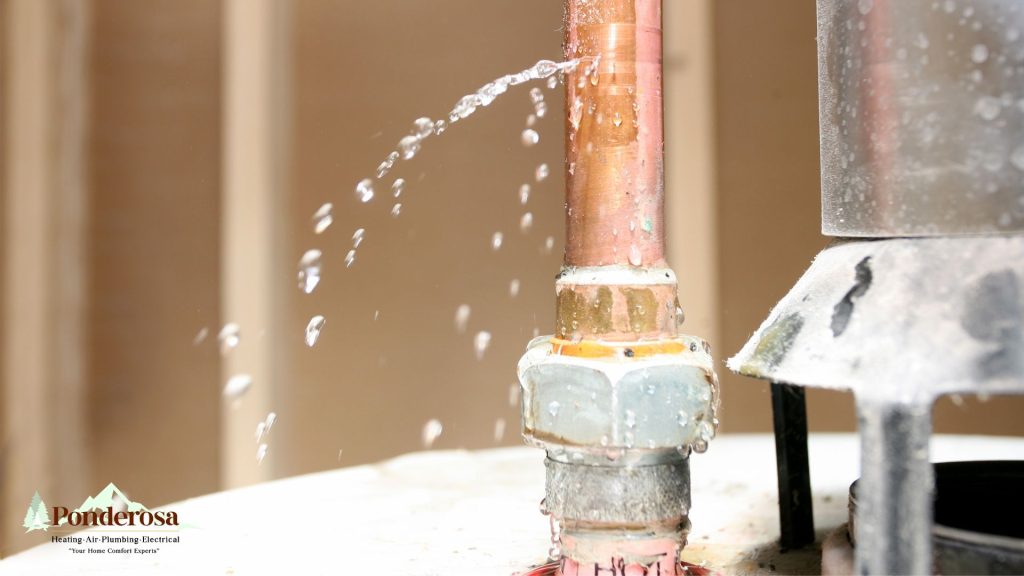
Leaks can originate from several different places on your water heater, and the source often dictates the severity of the problem. Our technicians are trained to methodically check all potential failure points:
- Temperature and Pressure (T&P) Relief Valve: This safety device is designed to release water if the temperature or pressure inside the tank gets too high. If it’s leaking, it could mean the valve itself is faulty, or it could be a sign of excessive pressure in the tank—a serious condition that needs immediate diagnosis.
- Inlet and Outlet Connections: The pipes that carry water to and from your heater can sometimes loosen over time or their connections can corrode, leading to slow drips. These are often repairable if caught early.
- Drain Valve: The valve at the bottom of the tank used for flushing can sometimes fail to close properly or develop a leak due to age or sediment interference.
- The Tank Itself: This is the most serious type of leak. If you see water seeping from the seams or a rusty spot on the tank’s outer jacket, it means the inner tank has corroded and failed. Unfortunately, this is not repairable. The only solution is a complete water heater replacement to prevent a catastrophic flood.
If you suspect a leak, we recommend shutting off the water supply to the heater and calling us immediately. Our team can provide fast and reliable leaking water heater repair to mitigate damage and restore your system to safe working order.
4. Discolored, Cloudy, or Smelly Water
The water coming from your hot water taps should be clear and odorless. If you start to notice rusty, brown, or cloudy water, it’s a strong indication that the inside of your water heater tank is corroding. This is one of the most critical signs water heater is failing, as it points directly to the structural integrity of the unit. The rusty color comes from the inside of the steel tank flaking off into your water supply. This often happens when the anode rod, a crucial component designed to prevent corrosion, has been completely depleted.
The Role of the Anode Rod
The anode rod is a metal rod, typically made of magnesium or aluminum, that hangs inside your water heater tank. It’s often called the “sacrificial rod” because it is designed to corrode instead of the tank’s steel lining through a process called electrolysis.
Once the anode rod is gone, the corrosive elements in the water begin to attack the tank itself. Replacing the anode rod every few years is a simple, inexpensive maintenance task that can double the life of your water heater. If you’re already seeing rusty water, it may be too late for the rod, and the tank’s integrity could be compromised.
Dealing with Smelly Water
Another unpleasant sign is water that has a “rotten egg” smell. This foul odor is caused by a reaction between certain types of bacteria and the anode rod. The bacteria can flourish in the warm tank environment, producing hydrogen sulfide gas, which creates the smell.
While not necessarily a sign of imminent tank failure, it makes using your hot water unpleasant and indicates that your tank needs professional attention. Our technicians can flush the system and replace the anode rod, often with an aluminum/zinc alloy rod that is less reactive to bacteria, to solve the problem.
5. Age and Declining Efficiency
Even with perfect maintenance, no water heater lasts forever. A standard tank-style water heater has an average lifespan of about 8 to 12 years. If your unit is approaching or has surpassed this age range, it’s living on borrowed time. You can typically find the manufacturing date on the serial number sticker on the side of the tank. An older unit is not only more likely to fail unexpectedly, but it’s also significantly less efficient than modern models, costing you more on your monthly energy bills.
Repair vs. Replace: Making the Smart Choice
When an older water heater starts having problems, homeowners are faced with the decision to repair it or replace it. While a minor repair might seem like the cheaper option upfront, it’s often not the most cost-effective solution in the long run. Pouring money into frequent repairs for an aging, inefficient unit is a losing battle.
The cost of multiple service calls can quickly add up, and you’re still left with an old heater that could fail completely at any moment. This is one of the key signs water heater is failing for good—when the cost and frequency of repairs no longer make financial sense. Our team provides honest, transparent advice to help you make the best decision. We’ll assess the condition of your current unit, the cost of the necessary repair, and compare it to the long-term savings and peace of mind that come with a new, high-efficiency model.
Investing in a new water heater can lower your energy consumption and provide you with a reliable hot water supply for another decade or more.
Your Partner for Water Heater Service in the Front Range
At Ponderosa, we understand that dealing with a faulty water heater is a major inconvenience. Our goal is to make the process as smooth and stress-free as possible for homeowners throughout Southwest Denver and the Front Range.
We pride ourselves on our professionalism, expertise, and commitment to customer satisfaction. When you call us for water heater repair in Denver, you’re not just getting a quick fix; you’re getting a dedicated partner who will ensure your home’s plumbing and HVAC systems are running safely and efficiently.
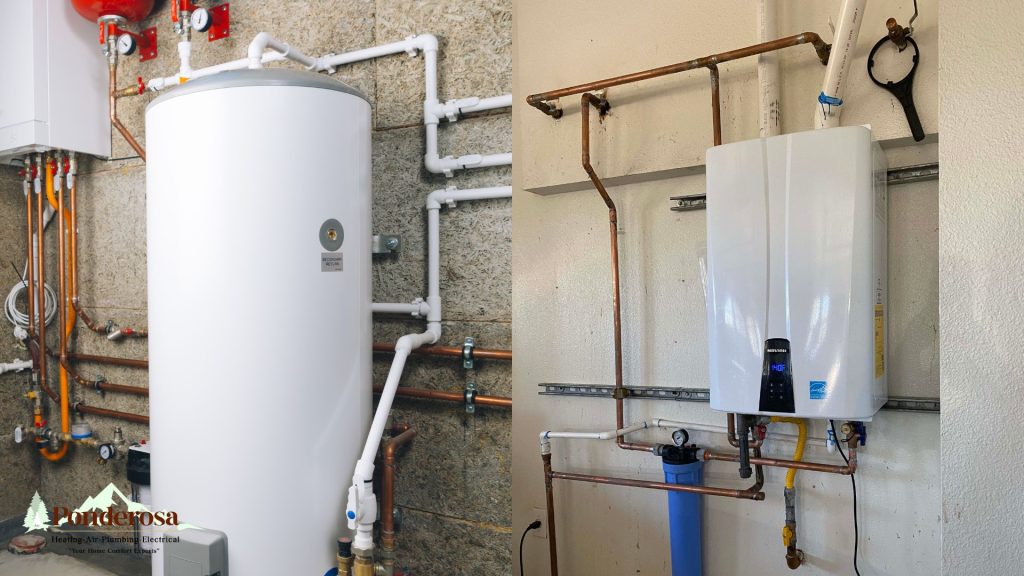
Our technicians are fully licensed, insured, and continuously trained on the latest technology, from traditional gas and electric models to modern tankless water heaters. We arrive on time, in fully stocked trucks, ready to diagnose and resolve your issue promptly. We believe in transparent communication and will walk you through our findings, explain your options clearly, and provide upfront pricing before any work begins. Your peace of mind is our top priority.
Get Your Free, No-Obligation Quote Today
Don’t ignore the warning signs your water heater is giving you. Whether you have no hot water, are hearing strange noises, or have spotted a leak, putting off a professional inspection can lead to more extensive damage and higher costs.
Take a proactive step to protect your home and ensure your family has the reliable hot water they need. Contact the trusted experts at Ponderosa for a comprehensive evaluation. We are here to help you with everything from a simple repair to a full system replacement. Call us today at 720-470-1133 or fill out our convenient online form to schedule your service.
We offer a free, no-obligation quote for your repair or replacement. We are so confident in the value we provide that we will waive our standard $189 service fee if you decide to move forward with the work. Let us provide the expert solution you need.
