

Colorado homeowners can reduce energy costs by using programmable or smart thermostats to optimize heating and cooling schedules. Regular maintenance, including monthly air filter checks and professional tune-ups, ensures systems operate efficiently. These habits prevent energy waste and help avoid expensive repairs while maintaining indoor comfort throughout unpredictable seasons.
Improving home insulation and sealing air leaks further enhances HVAC efficiency. Strategic use of window coverings and ceiling fans can also regulate temperatures naturally. For older equipment, upgrading to high-efficiency systems offers significant long-term savings by reducing monthly utility bills and improving overall home performance.
Smart HVAC Habits for Lower Energy Bills in Colorado
As homeowners here in Southwest Denver and across the Front Range, we know that Colorado’s weather is anything but predictable. From sweltering summer afternoons to bone-chilling winter nights, our homes demand a lot from our heating and cooling systems. This constant work can lead to a major pain point for many families: high energy bills.
At Ponderosa, we believe that comfort shouldn’t come at an outrageous cost. We’re dedicated to helping our neighbors achieve significant Ponderosa energy savings through smart, practical solutions. The good news is that you have more control over your energy consumption than you might think. By adopting a few simple habits and understanding how your system works, you can dramatically lower energy bills in Colorado.
This guide is packed with our team’s best HVAC tips for homeowners, designed to put money back in your pocket while keeping your home perfectly comfortable year-round.
Mastering Your Thermostat for Maximum Savings
Your thermostat is the command center of your home’s comfort system, and using it wisely is one of the easiest ways to slash your energy costs. Many homeowners set their thermostat once and forget it, but this “set it and forget it” approach is a major source of energy waste. Every degree you adjust the temperature can translate into real savings on your monthly bill. The key is to find a balance between comfort and efficiency, and modern technology makes this easier than ever.

Why an Energy Saving Thermostat is a Game-Changer
If you’re still using an old manual dial or a non-programmable digital thermostat, upgrading is one of the most impactful changes you can make. We strongly recommend investing in a programmable or, even better, a smart energy saving thermostat. A programmable thermostat allows you to create a preset schedule based on when you’re typically home, away, or asleep. This automation ensures you’re not paying to heat or cool an empty house. A smart thermostat takes this a step further. These devices learn your family’s patterns, can be controlled remotely from your smartphone, and provide detailed energy usage reports.
Imagine being able to adjust your home’s temperature from the office or on your way back from a mountain trip. This level of control prevents your HVAC system from running unnecessarily, directly contributing to lower utility bills and more efficient home heating and cooling.
Optimal Thermostat Settings for Colorado Seasons
Creating an energy-efficient schedule is crucial. While personal comfort levels vary, we have some expert-recommended settings that serve as a great starting point.
- Summer Savings: To save money on air conditioning, we suggest setting your thermostat to 78°F or higher when you are home and awake. When you leave the house or go to sleep, raise it by a few degrees. The smaller the difference between the indoor and outdoor temperatures, the less your AC has to work.
- Winter Warmth: To reduce heating costs Denver residents face each year, we recommend a setting of around 68°F when you are home. At night or when you’re away, lower it by 7-10 degrees. Your furnace is often the biggest energy consumer in your home, so giving it a break makes a huge difference.
The most important principle is to avoid drastic temperature swings. It’s a common myth that it takes more energy to bring a room back to a comfortable temperature than it does to maintain it constantly. In reality, setting your thermostat back for extended periods, like an 8-hour workday, results in substantial savings.
Essential Maintenance for Efficient Home Heating and Cooling
Think of your HVAC system like a car. You wouldn’t drive it for years without an oil change or a tune-up, and the same logic applies to your furnace and air conditioner. Routine maintenance is the single most important factor in ensuring your system runs efficiently, lasts longer, and avoids unexpected, costly breakdowns. These Colorado HVAC maintenance tips are essential for every homeowner.
The Critical Role of Air Filter Changes
This is one of the simplest yet most overlooked furnace maintenance tips. A dirty, clogged air filter is your HVAC system’s worst enemy. It restricts airflow, forcing the fan motor to work much harder to pull air through. This extra strain not only wastes a significant amount of energy but can also lead to premature system failure. A clogged filter also diminishes your indoor air quality, circulating dust, pollen, and other allergens throughout your home.
We recommend checking your filter every month and changing it at least every 90 days. If you have pets, smokers, or allergy sufferers in the home, you may need to change it as often as every 30-45 days.
Clearing the Way for Better Airflow
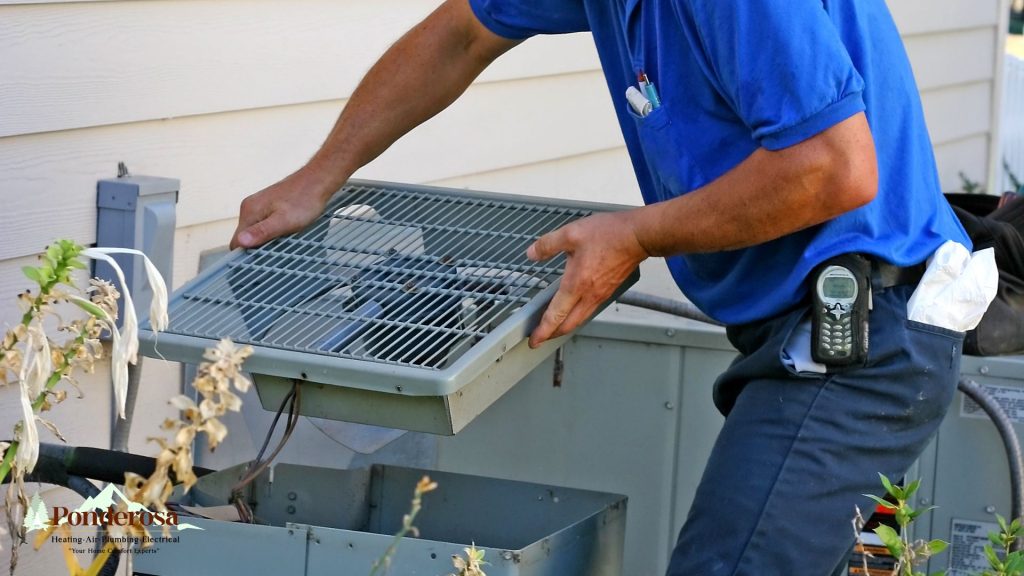
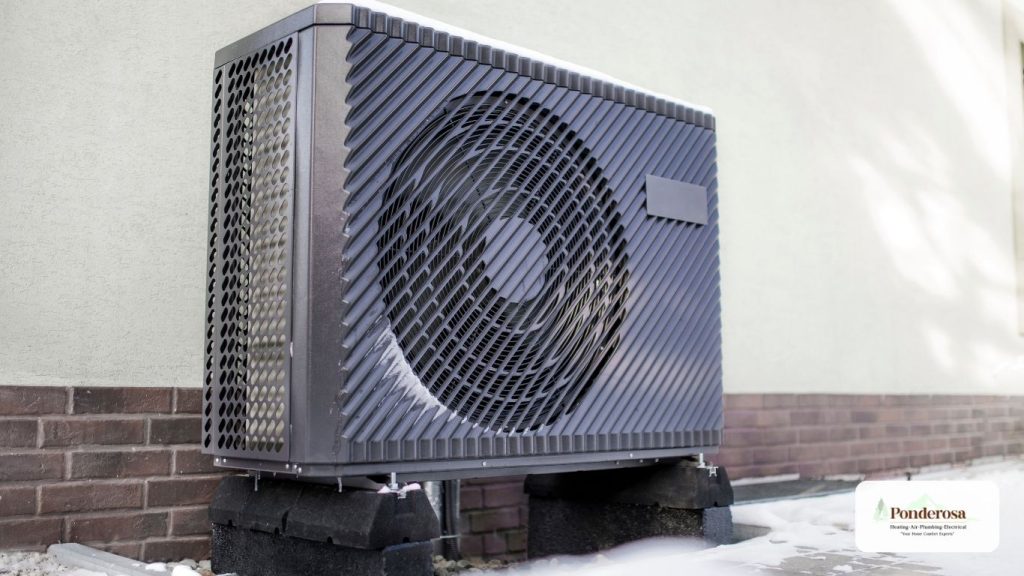
Your system’s efficiency depends on unimpeded airflow, both indoors and out. Take a walk through your home and ensure that none of your supply or return air vents are blocked by furniture, rugs, drapes, or toys. Each blocked vent disrupts the balance of your system and makes it work harder. Outside, your air conditioning unit’s condenser needs space to breathe.
Throughout the year, clear away any leaves, grass clippings, weeds, or other debris that accumulate around the unit, maintaining at least two feet of clearance on all sides. This simple step helps the unit dissipate heat effectively, which is crucial to save money on air conditioning during our hot summers.
Why Professional Tune-Ups Are a Must
While DIY tasks are helpful, they can’t replace a comprehensive professional tune-up. Our expert technicians perform a deep clean and a thorough inspection that goes far beyond what a homeowner can do. During a tune-up, we clean evaporator and condenser coils, check refrigerant levels, inspect and tighten all electrical connections, lubricate moving parts, and test system controls.
This preventative service ensures your system is running at peak efficiency, just as the manufacturer intended. It’s an investment that pays for itself by lowering your monthly bills, preventing expensive emergency repairs, and extending the lifespan of your equipment. A well-maintained system is the foundation of efficient home heating.
Beyond the HVAC Unit: A Whole-Home Approach to Savings
Your HVAC system doesn’t operate in a vacuum. It’s part of a larger ecosystem: your home. To truly maximize your energy savings, you need to look at the whole picture. Factors like insulation, air leaks, and even your window coverings play a massive role in how hard your furnace and air conditioner have to work. Taking a whole-home approach can uncover hidden opportunities for savings.
Sealing Air Leaks and Improving Insulation
You could have the most efficient HVAC system on the market, but if your home is leaky, you’re essentially paying to heat or cool the outdoors. Air leaks around windows, doors, electrical outlets, and plumbing penetrations can account for a significant percentage of your home’s energy loss. You can perform a simple check by carefully moving a lit incense stick around these areas; if the smoke wavers, you’ve found a leak.
Sealing these gaps with caulk or weatherstripping is a low-cost, high-impact project. Furthermore, proper insulation, especially in your attic, is critical in Colorado. It acts as a thermal barrier, keeping conditioned air inside during the summer and preventing heat from escaping during the winter. If you’re unsure about your home’s performance, a home energy audit can pinpoint exactly where you’re losing energy and provide a roadmap for improvements.
Using Windows and Coverings to Your Advantage
Your windows can be a source of both wanted and unwanted heat. Using them strategically can help regulate your home’s temperature naturally.
- In the Summer: During the hottest parts of the day, keep your blinds and curtains closed, especially on south- and west-facing windows. This blocks solar heat gain, preventing your home from heating up like a greenhouse and giving your AC a much-needed break.
- In the Winter: Do the opposite. On sunny days, open your curtains to let the natural warmth of the sun stream in. This free solar heating can help reduce the workload on your furnace. As soon as the sun goes down, close them again to provide an extra layer of insulation against the cold night air.
The Unsung Heroes: Ceiling Fans
Ceiling fans are a fantastic tool for energy savings, but only if used correctly. They don’t actually lower the room’s temperature; they create a wind-chill effect that makes you feel cooler. In the summer, make sure your fans are rotating counter-clockwise. This pushes cool air down, allowing you to raise your thermostat setting by up to 4 degrees without sacrificing comfort. In the winter, reverse the fan’s direction to clockwise and run it on a low speed. This will gently pull cool air up and push the warm air that has risen to the ceiling back down into the living space. This simple switch can make a room feel warmer, allowing you to lower your thermostat and reduce heating costs.
When to Repair vs. When to Replace Your HVAC System
At some point, every homeowner faces the question of whether to continue repairing an aging HVAC system or invest in a new one. It can be a difficult decision, but we’re here to provide honest guidance. If your system is relatively new and requires a minor, inexpensive fix, a repair is often the most sensible choice. However, if your furnace or air conditioner is more than 10-15 years old, has required multiple repairs in the last few years, or is causing your energy bills to steadily climb, it’s time to seriously consider a replacement.
The Long-Term Value of a High-Efficiency Upgrade
While the upfront cost of a new system can seem daunting, it’s important to view it as a long-term investment in your home’s value and your financial well-being. Today’s high-efficiency systems are light-years ahead of models from a decade ago. We can help you understand efficiency ratings like SEER2 (Seasonal Energy Efficiency Ratio 2) for air conditioners and AFUE (Annual Fuel Utilization Efficiency) for furnaces. Upgrading from an old, inefficient unit to a new, high-efficiency model can cut your heating and cooling costs by 20-40%, delivering substantial savings year after year.
These savings can often help the new system pay for itself over its lifespan. Our team ensures you get a system that is properly sized for your home’s specific needs—a critical factor for achieving maximum efficiency and comfort. Investing in a modern system is one of the most effective ways to lower energy bills in Colorado for good.

Your Partners in Home Comfort and Savings
We hope these HVAC tips for homeowners have empowered you to take control of your energy usage. From simple thermostat adjustments to considering a high-efficiency upgrade, every step you take makes a difference.
At Ponderosa, our goal is to be more than just a service provider; we want to be your trusted partner in creating a comfortable, efficient, and affordable home environment. If you’re ready to explore how you can achieve even greater savings or if your system needs professional attention, we’re here to help. We provide expert advice and top-quality service for all your heating, cooling, plumbing, and electrical needs.
Let us help you put these tips into action. Call us today at 720-470-1133 or fill out our online form to schedule your service. We offer a free quote for new systems and will waive our $189 service fee if you decide to proceed with any recommended work. Contact us now to start your journey toward a more comfortable and energy-efficient home
