
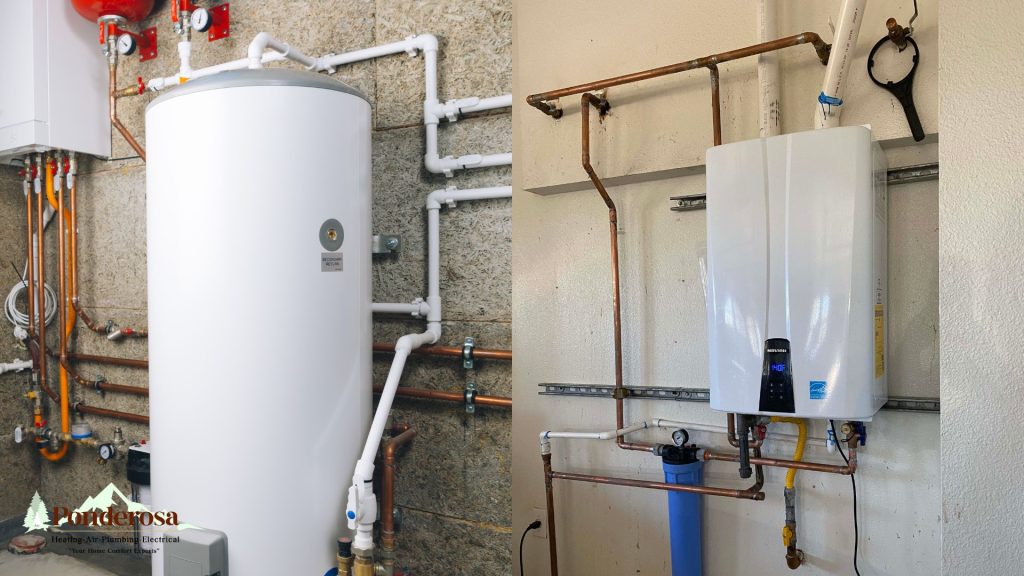
Traditional storage tank heaters offer lower initial costs and consistent pressure for multiple fixtures but suffer from energy loss and limited hot water capacity. Tankless units provide superior energy efficiency and endless hot water in a compact design, though they require a higher upfront investment and professional sizing.
Choosing between systems depends on household size, budget, and local climate factors like cold groundwater. While traditional models are simpler to install and repair, tankless systems offer nearly double the lifespan. Homeowners must balance immediate installation costs against long-term utility savings and performance needs.
Tank vs. Tankless Water Heaters: A Homeowner’s Guide
Hot water is a cornerstone of modern comfort, something we often take for granted until it’s gone. When it’s time to replace your water heater, you’re faced with a significant decision that impacts your daily routine, your utility bills, and your home’s overall efficiency.
The primary choice for homeowners in Southwest Denver and across the Front Range comes down to two main technologies: the traditional storage tank water heater and the modern tankless, or on-demand, water heater.
As your local home service experts, we’ve installed, repaired, and maintained countless units of both types. We want to share our knowledge to help you understand the critical differences and make the best choice for your family’s needs. This guide will walk you through the pros and cons of each system, helping you navigate the important tank vs tankless water heater debate.
Understanding the Traditional Storage Tank Water Heater
The traditional storage tank water heater is likely what you picture when you think of this appliance. It’s a large, cylindrical tank that typically holds between 30 and 80 gallons of water. The system works by heating the entire tank of water to a preset temperature and then storing it until you turn on a hot water tap. As you use the hot water, cold water enters the bottom of the tank to be heated, ensuring the tank stays full. This technology has been the standard in American homes for decades because it’s straightforward and reliable.
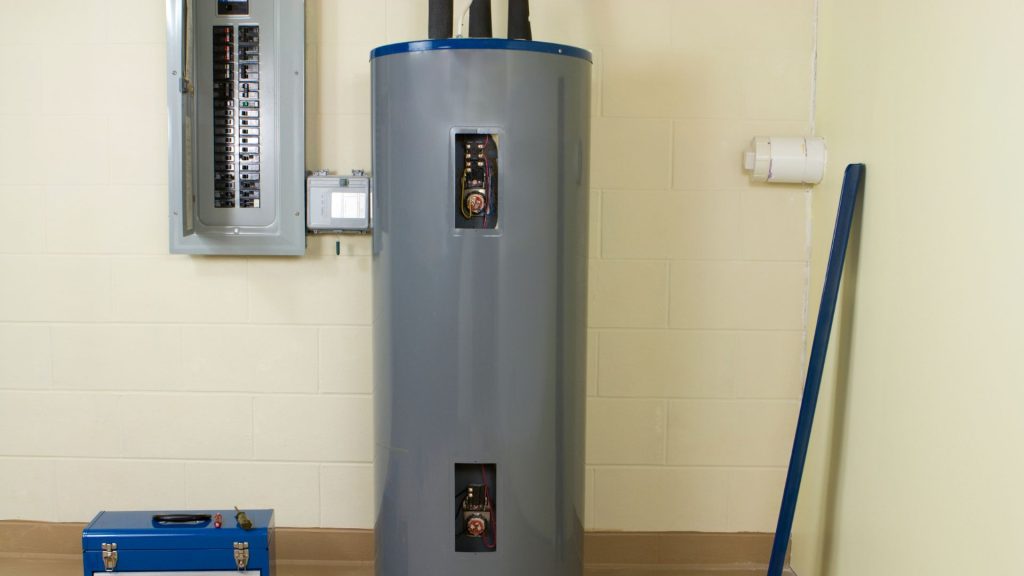
Pros of a Traditional Water Heater
Lower Upfront Cost: The most significant advantage of a traditional water heater is its initial price. Both the unit itself and the installation are generally less expensive than a tankless system. If you’re on a tight budget or need an emergency replacement, a traditional model is often the more financially accessible option.
Simpler Technology: Because these systems are less complex, installation is typically faster and more straightforward, especially when replacing a similar-sized unit. Repairs are also often simpler and less costly, and most qualified plumbers are very familiar with them.
Consistent Water Pressure: A storage tank can deliver hot water to multiple fixtures simultaneously—like a shower, a dishwasher, and a sink—without a noticeable drop in pressure, as long as there is still hot water left in the tank. This is a key benefit for larger households with high simultaneous demand.
Cons of a Traditional Water Heater
Standby Heat Loss: The biggest drawback is energy inefficiency. The unit must constantly use energy (gas or electricity) to keep the entire tank of water hot, 24/7, whether you’re using it or not. This “standby heat loss” means you’re paying to heat water even when you’re asleep or away from home, leading to higher utility bills over time.
Limited Hot Water Supply: Once the hot water in the tank is depleted, you’re out. You have to wait for the unit to heat a new tankful, which can take 30 minutes to an hour or more. This can be a major inconvenience for large families or when you have guests.
Large Footprint: These units are bulky and require a significant amount of dedicated space in a utility closet, basement, or garage. This can be a major issue in smaller homes or during remodels where space is at a premium.
Shorter Lifespan and Risk of Leaks: The average lifespan of a traditional water heater is about 10-15 years. Over time, sediment builds up and the tank can corrode from the inside out, eventually leading to leaks or even a catastrophic burst that can cause extensive water damage. A timely traditional water heater replacement is crucial to avoid this risk.
Exploring the Tankless (On-Demand) Water Heater
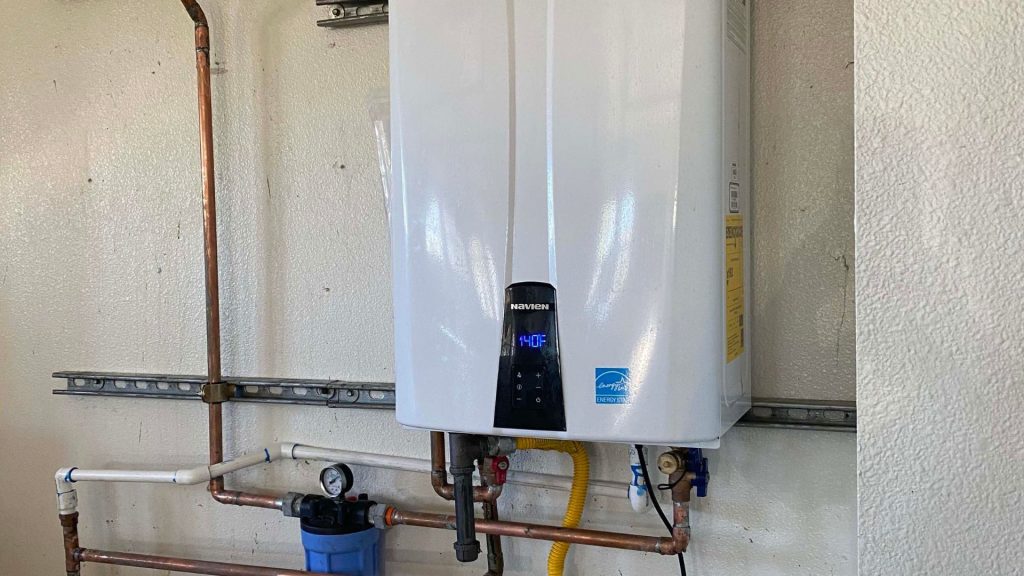
A tankless water heater, as the name implies, heats water without using a storage tank. When you turn on a hot water tap, cold water travels through a pipe into the unit. A powerful gas burner or electric element activates, heating the water almost instantaneously as it passes through. The result is a continuous supply of hot water, delivered only when you need it. At Ponderosa, we specialize in on demand water heater installation Colorado homeowners can trust for efficiency and performance.
Pros of a Tankless Water Heater
Superior Energy Efficiency: This is the primary reason many homeowners switch. Because tankless units only heat water when there’s a demand, they eliminate standby heat loss. According to the U.S. Department of Energy, on-demand water heaters can be 24%–34% more energy-efficient than conventional storage tank water heaters for homes that use 41 gallons or less of hot water daily. This translates directly into lower monthly utility bills.
Endless Hot Water: With a properly sized tankless unit, you will never run out of hot water again. You can run the shower, the dishwasher, and the laundry all at once (depending on the unit’s flow rate) or take back-to-back showers without ever getting a blast of cold water. This is a game-changing benefit for families.
Longer Lifespan: Tankless water heaters are built to last. With proper maintenance, they can have a lifespan of 20 years or more—nearly double that of a traditional tank model. This longevity helps offset the higher initial investment.
Space-Saving Design: These units are compact and wall-mounted, often no bigger than a small suitcase. This frees up valuable floor space that can be reclaimed for storage or other uses.
Cons of a Tankless Water Heater
Higher Upfront Cost: The initial investment for a tankless water heater is significantly higher than for a traditional model. The unit itself is more expensive, and installation can be more complex, sometimes requiring upgrades to your gas lines, ventilation, or electrical circuits.
Output Limitations: A tankless unit is rated by the maximum flow rate it can heat at one time. If your household’s simultaneous demand for hot water exceeds the unit’s capacity, you may experience a drop in water pressure or temperature. That’s why professional sizing is absolutely critical.
Slight Delay for Hot Water: There can be a brief delay of a few seconds—sometimes called a “cold water sandwich”—from when you turn on the tap to when the hot water arrives, as the unit needs a moment to fire up and heat the water. While minimal, it’s different from the instant hot water stored in a tank.
Factors to Consider for Your Southwest Denver Home
Choosing between these two systems isn’t just about the general pros and cons; it’s about what makes sense for your specific situation here in Colorado. When we consult with a homeowner, we consider several key factors.
Household Size and Water Usage
How many people live in your home? Do you often have multiple showers running at the same time as other appliances? A large, busy family will see immense benefits from the endless hot water of a tankless system. A smaller household with more predictable usage may find a traditional tank perfectly adequate.
Upfront Budget vs. Long-Term Savings
We understand that budget is a primary concern. A traditional water heater is the clear winner for the lowest upfront cost. However, a tankless water heater should be viewed as a long-term investment. The monthly energy savings and longer lifespan mean it will often pay for itself over time. We can help you calculate the potential return on investment to see if it makes financial sense for you.
Colorado’s Cold Groundwater
Here in the Front Range, our incoming groundwater is significantly colder in the winter than in other parts of the country. This means any water heater has to work harder to raise the water to the desired temperature. For a tankless water heater Denver installation, this is a critical consideration. The unit must be powerful enough to handle this large temperature rise while still providing an adequate flow rate. We always perform a detailed assessment to ensure any tankless system we install is sized correctly for Colorado’s climate.
Let Us Help You Make the Right Choice
Ultimately, the debate over tank vs tankless water heater doesn’t have a single right answer. The best choice depends entirely on your priorities, your home’s infrastructure, your family’s habits, and your budget. Our mission at Ponderosa is not just to sell you a piece of equipment; it’s to provide a solution that delivers comfort, value, and peace of mind for years to come.
We have extensive experience with both traditional water heater replacement and cutting-edge on demand water heater installation Colorado residents rely on. We’ll take the time to understand your needs and present you with clear, honest options.
Get Your Free, No-Obligation Quote Today
Are you ready to explore your options and find the perfect hot water solution for your home? Don’t guess which system is right for you. Let our experienced technicians provide a professional assessment and a detailed quote tailored to your specific needs. We are here to answer all your questions about the pros and cons tankless water heaters and traditional models.
Call Ponderosa today at 720-470-1133 or fill out our simple online form to schedule your appointment. Your quote is completely free—we waive our standard $189 service fee when you decide to move forward with the work. We look forward to serving you!
